Multiplayer Games with Friendly Competition
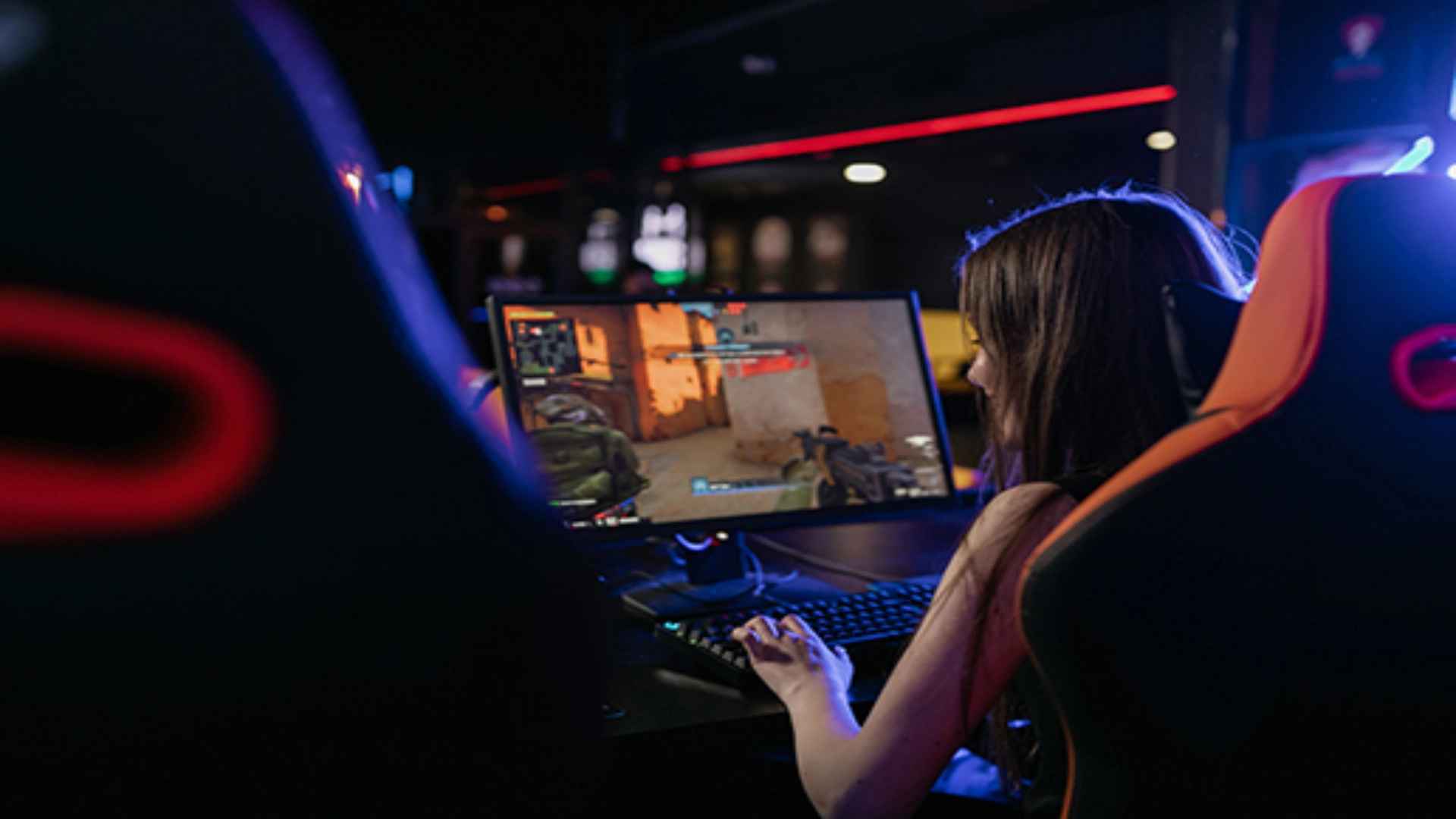
The landscape of modern gaming has shifted significantly toward experiences that emphasize community and shared enjoyment over intense rivalry. While high-stakes esports dominate headlines, a growing number of players seek digital spaces where they can enjoy lighthearted challenges without the stress of toxic matchmaking. These environments provide the perfect balance of entertainment and social interaction for groups of all backgrounds.
The Appeal of Low-Stress Rivalry
Low-stress competitive environments allow participants to test their skills in a welcoming atmosphere that prioritizes fun over winning. These games often incorporate whimsical mechanics, colorful art styles, and forgiving systems that keep the focus on shared laughter. This approach helps reduce the anxiety typically associated with online matchmaking, making the hobby accessible to a broader audience.
By removing punishing rank drops or aggressive leaderboards, developers encourage players to experiment with creative strategies. Friends can team up or face off against each other knowing that the ultimate goal is mutual entertainment rather than dominance. This shift in design philosophy has helped foster much healthier online communities across various platforms.
Fostering Social Connections Through Play
Games designed with cooperative or lighthearted competitive structures serve as excellent tools for maintaining long-distance relationships and making new friends. Participants must communicate effectively to achieve goals, which naturally builds camaraderie and trust over time. These interactions frequently spark meaningful conversations that extend far beyond the virtual boundaries of the game itself.
To explore dynamic digital platforms that support diverse leisure activities and social entertainment, you can check out the m88 alternatif portal for various interactive choices. Engaging with well-designed hubs ensures that users have access to reliable systems that enhance their overall digital experience. Ultimately, these shared activities create lasting memories that strengthen bonds between friends and family members.
Popular Genres for Casual Face-Offs
Several genres excel at delivering the right balance of cooperation and gentle opposition for casual groups. Party games, kart racers, and physics-based puzzle games are classic examples that consistently deliver engaging group experiences. Their simple control schemes ensure that anyone can pick up a controller and immediately participate in the action.
Additionally, many modern simulation games now include cooperative multiplayer modes where friends can manage shared virtual spaces. Whether building a town together or competing in friendly agricultural challenges, these titles offer deep progression without the pressure of time constraints. The variety of choices available today guarantees that every group can find a suitable title.
Designing for Long-Term Engagement
Fostering long-term player retention requires developers to continuously introduce fresh content and seasonal events that keep the community active. Regular updates, cosmetic rewards, and community-driven challenges give players a reason to return to their favorite titles regularly. These updates ensure that the gameplay experience remains vibrant and enjoyable for months or even years.
When games focus on inclusivity and positive reinforcement, they build loyal player bases that sustain the title over time. Players are far more likely to recommend a game to their peers if the community environment is welcoming and supportive. The future of multiplayer design clearly lies in creating spaces that celebrate collective joy and friendly engagement.